DraftKings co-founder and chief executive Jason Robins has urged parents to talk openly with their children about gambling, arguing that the subject should be treated like other potentially harmful adult activities rather than avoided at home.
Robins made the comments in an Oct. 28 CNBC interview with gaming reporter Contessa Brewer. He said every parent should discuss gambling with their children, regardless of whether the family has a connection to the industry. “The important thing is just to have a transparent relationship with your kids, where they feel like they can ask you anything,” he said.
He compared the conversation to questions children may ask after seeing a parent drink wine, and said discussions of gambling should be normalised alongside talks about alcohol and sex. Robins said he has taught his own children how DraftKings works and that they understand terms such as point spreads and money lines, but must wait until 21 to gamble themselves.
The executive said parents, the gambling industry and DraftKings all share responsibility for preventing children from gambling. DraftKings offers account limits and self-exclusion tools, and blocks some accounts based on observed customer behaviour. Robins also said he would not oppose a requirement that customers set gambling limits.
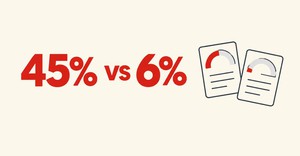
The remarks come as research has highlighted the reach of gambling among young people. A Rutgers University Center for Gambling Studies survey of nearly 1,700 Americans aged 13 to 27 found that nearly 43% of respondents aged 17 and under had gambled in the preceding year. The study used a broad definition encompassing 21 activities, including lottery tickets, street games, cryptocurrency trading and prediction markets.
Among all respondents who reported gambling, nearly 40% showed symptoms of problem gambling and 10% were classified as high-risk. About 11% of gambling respondents aged 17 and under were classified as high risk. The researchers described the survey as the first national study of gambling prevalence among US adolescents and young adults in nearly two decades, although it did not establish whether gambling had risen over time.
A separate C.S. Mott Children’s Hospital poll, conducted in August 2023 among 923 parents of 14- to 18-year-olds, found that only 25% had discussed any aspect of online betting with their teenager. That narrower measure differs from a National Council on Problem Gambling poll cited by Casino.org, which found that about half of parents talk with teenagers about gambling more generally.
The Mott poll found that 55% of parents did not know their state’s legal age for online betting, while 63% had encountered online sports or casino-betting advertising during the previous year. It said concealed apps, deleted search histories and personal devices can make online betting difficult for parents to detect, and concluded that ongoing conversations may help teenagers navigate social pressure and gambling marketing.
Massachusetts public-health guidance similarly recommends that adults discuss gambling as they would other health-related risks. It says children introduced to apparently harmless betting by age 12 are four times more likely to develop gambling problems later in life, and warns that gambling-like features in online games can expose young people to related risks.
The National Council on Problem Gambling said it plans to develop educational tools and materials for parents seeking practical help to understand gambling risks and discuss them with their children.