New South Wales has unveiled a far-reaching gambling reform package, promising a statewide exclusion register, mandatory facial recognition at gaming-room entrances, tighter controls on machine entitlements and a wider clampdown on gambling advertising and marketing.
The government said the package is designed to put harm minimisation at the centre of the state’s gaming system. It also sets out a state strategy to reduce online gambling harm, with new offences, tougher penalties and stronger regulatory powers aimed at betting providers and illegal gambling platforms.
As covered in August, federal lawmakers had already passed national wagering-ad opt-out laws. NSW’s new package focuses on how exclusions work inside the state’s hotels and clubs, where people can now self-exclude only from selected venues or from a single venue, and where compliance is largely left to staff.
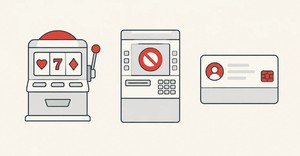
Under the new plan, a single statewide register will let people exclude themselves from every hotel and club with gaming machines. The package also creates a third-party exclusion scheme, allowing family members, friends and police to seek exclusions through the courts or the Independent Liquor and Gaming Authority on the basis of gambling harm or criminal activity.
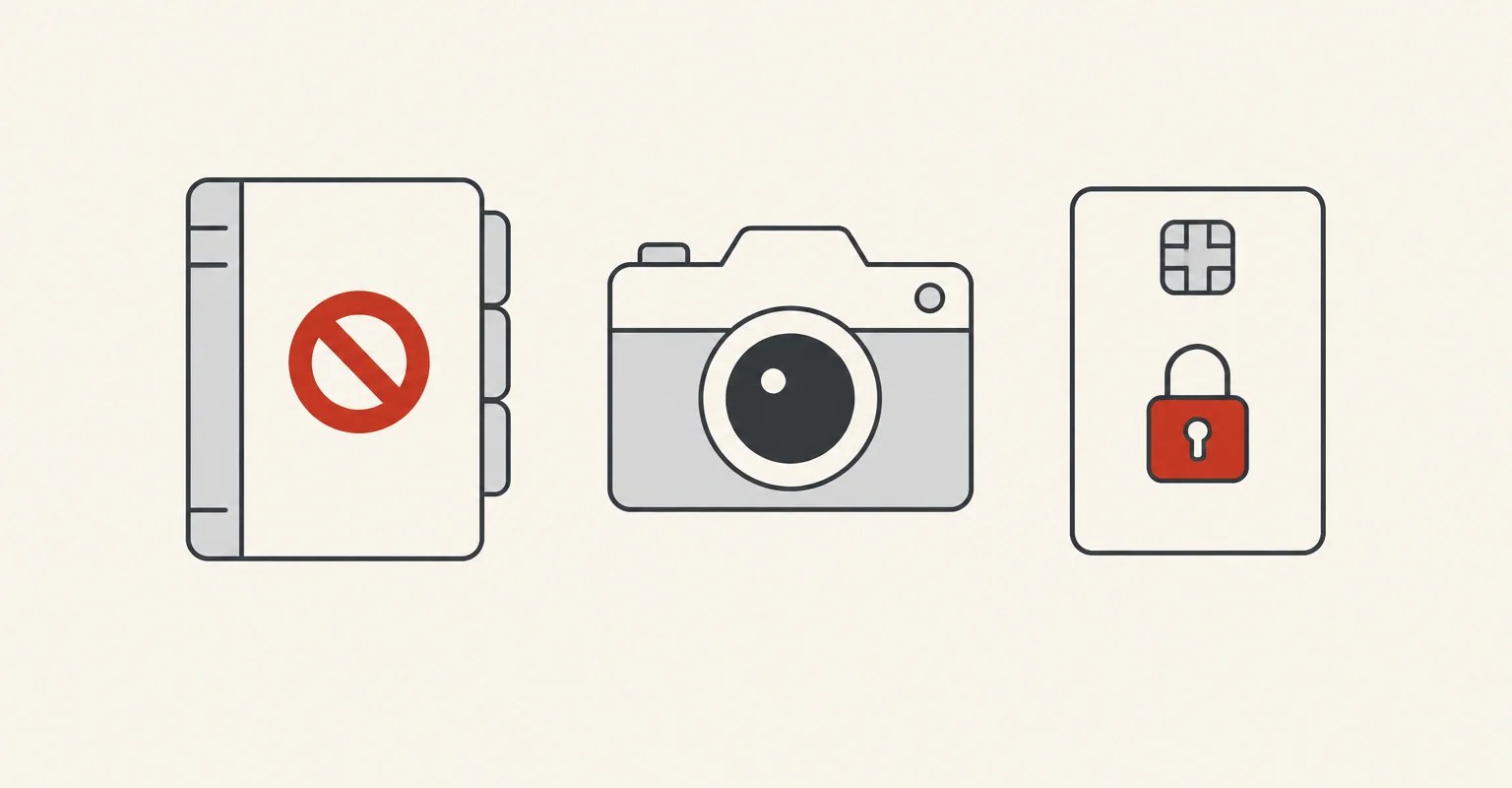
The facial-recognition element is meant to make that register enforceable across venues. The state said mandatory facial recognition and the statewide exclusion register will arrive together in 2028, and the technology is also intended to help NSW Police prevent money laundering and other criminal activity.
There is already a policy trail behind that move. The government has launched a NSW-first code of practice for facial recognition in pubs and clubs, approved under section 48 of the Gaming Machines Act 2001, as an interim step toward future legislation. Consultation material says several NSW hotels and clubs already use facial recognition, with the number of venues estimated in the hundreds, and that the technology is meant to identify excluded customers more reliably than manual checks, especially in crowded rooms.
The reform package also hardens the economics of poker-machine trading. NSW will lift the forfeiture rate on traded gaming-machine entitlements from one in three to one in two, add a new sinking cap so the statewide cap falls as entitlements are removed, tighten exemptions that allowed transfers without forfeiture and let venues voluntarily cancel their entitlements.
The state has about 87,000 poker machines across roughly 2,100 clubs and hotels. The Sydney Morning Herald reported that this is 13,758 fewer machines than when the forfeiture scheme began 25 years ago, and that the NSW Audit Office had projected it would take 55 years to reach parity with the national average under the old settings.
Advertising and promotions will also face new limits. The package bans gambling ads on NSW Government and council-owned assets, bans unsolicited direct marketing by calls, email or text without express consent, ends VIP programs linked to gaming, imposes new transparency rules on affiliates and social-media influencers and restricts commissions tied to higher-risk products.
The government said the reforms respond to the Roadmap for Gaming Reform, the NSW Crime Commission’s inquiry into money laundering through electronic gaming machines in hotels and clubs, and consultation with stakeholders and the wider community. It is funding the next tranche with $95.2 million over four years from remaining money in the $100 million gambling harm minimisation fund and higher licence fees, plus a $20 million boost to the Responsible Gambling Fund over the next two years.