The ACT government is preparing legislation that would end cash withdrawals at poker-machine venues, make gambling account-based and impose mandatory breaks on players, as part of a broader plan to reduce the Territory’s machine authorisations to no more than 1,000 by 2045.
The Gaming Machine (Harm Prevention and Reduction) Amendment Bill 2026 is due to be introduced in the ACT Legislative Assembly in October. The government unveiled the wider package on Sept. 15, describing it as a response to gambling harm and a way to support the longer-term sustainability of clubs.
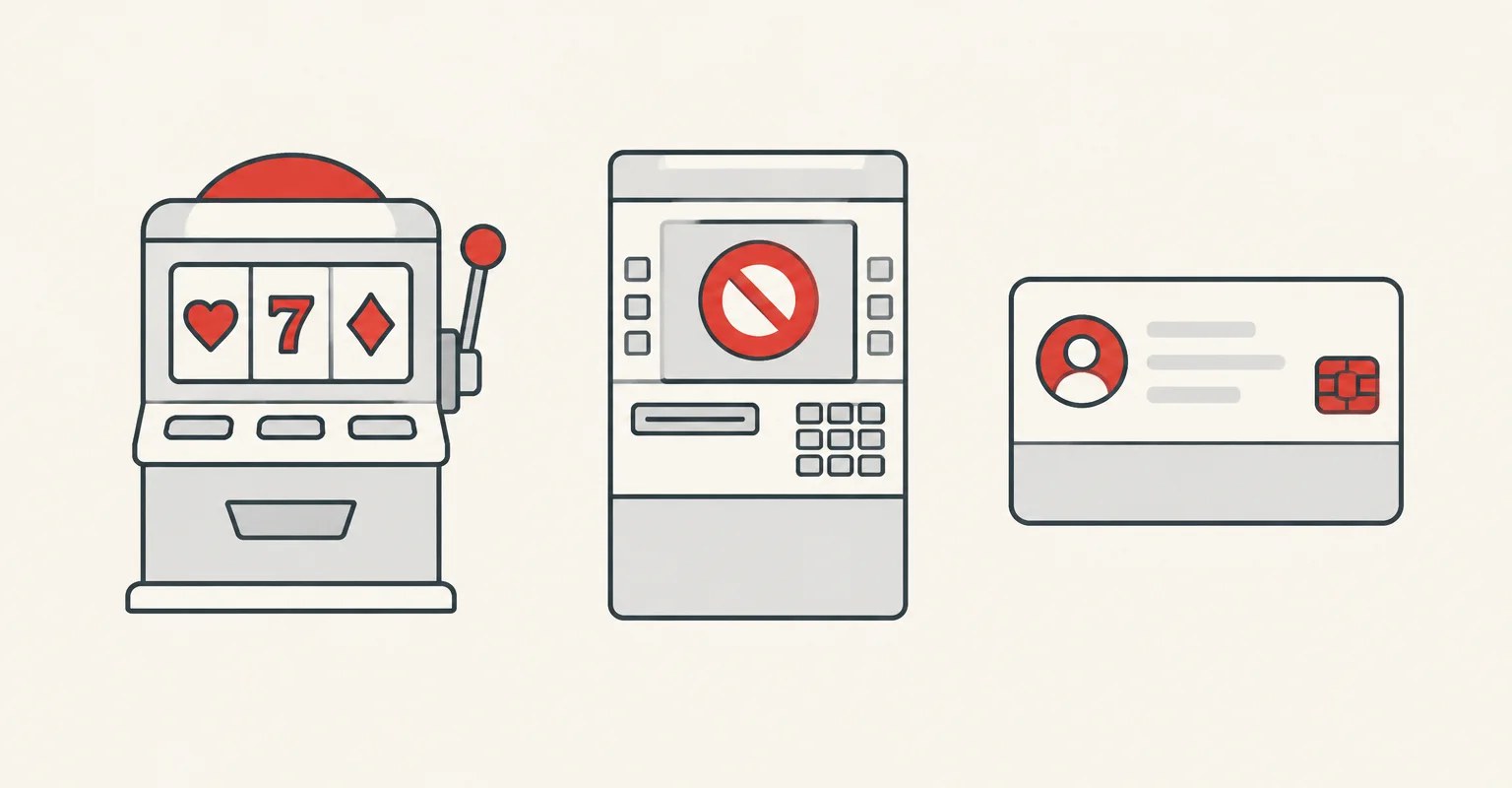
Venues with electronic gaming machines would be barred from providing ATM withdrawals 12 months after the bill passes, allowing time for ATMs to be removed. An accompanying Gaming Machine Amendment Regulation 2026 would prohibit EFTPOS cash withdrawals six weeks after it is notified.
The government says restricting both forms of withdrawal would prevent people from readily obtaining more cash during a gambling session, reducing intensity and the risk of substantial losses. Dr Marisa Paterson said the loss of easy access to cash would create a break in play in which people could reconsider spending more than intended.
Cashless, account-based gaming would begin 12 months after the bill is passed. Players would have to register an account rather than gamble anonymously with cash, set a maximum loss limit and have their spending and losses tracked within the venue.
The account system will not include a central monitoring system linking all ACT venues. ABC News reported that the government judged such a system unachievable because of its cost and the Territory’s relatively small machine base. The proposed changes also omit mandatory bet limits and enforced exclusion from gaming areas.
Clubs would be required to enforce a 15-minute break after each hour of continuous poker-machine use. The government says the measure is designed to interrupt prolonged sessions that can cause harm. Electronic gaming machines accounted for one-third of the Territory’s total gambling-harm burden in the 2024 ACT Gambling Survey, the government said.
The legislation would also require at least 500 gaming-machine authorisations to be removed every four years until the 1,000 cap is reached in 2045. A Legislative Assembly committee reported that 3,589 machines were operating in the ACT in May 2024; authorisations had fallen from 5,022 in 2015 to 3,790 in February 2024.
A 2024 Assembly inquiry called for account-based gaming with integrated precommitment, forced breaks and exclusion capabilities, as well as continued cuts in machine numbers. The government has said the program is not a prohibition, and poker machines will remain available over the next 20 years.
Mandatory shutdown periods will be extended by 15 hours a week from July 1, 2027. The revised rules reduce weekday operating hours while leaving Friday and Saturday night hours unchanged, with the delayed start intended to give clubs time to adjust.
A separate Gambling and Racing (Gambling Exclusion) Amendment Bill 2026 was introduced on Sept. 16. It would place exclusion arrangements under the ACT Gambling and Racing Commission and allow self-exclusion periods of six months to five years, replacing a previous maximum of three years.
The package has drawn competing reactions. Rebecca Vassarotti called it a “much weaker proposal” than the government’s commitment two years earlier, while Craig Shannon warned there was a “very real prospect” that more clubs would close. Tim Costello urged other states to follow what he called nation-leading changes.
The ACT government plans to establish a transition committee or governance group and assist clubs to diversify income, use their land and assets more effectively, and develop sustainable business models.