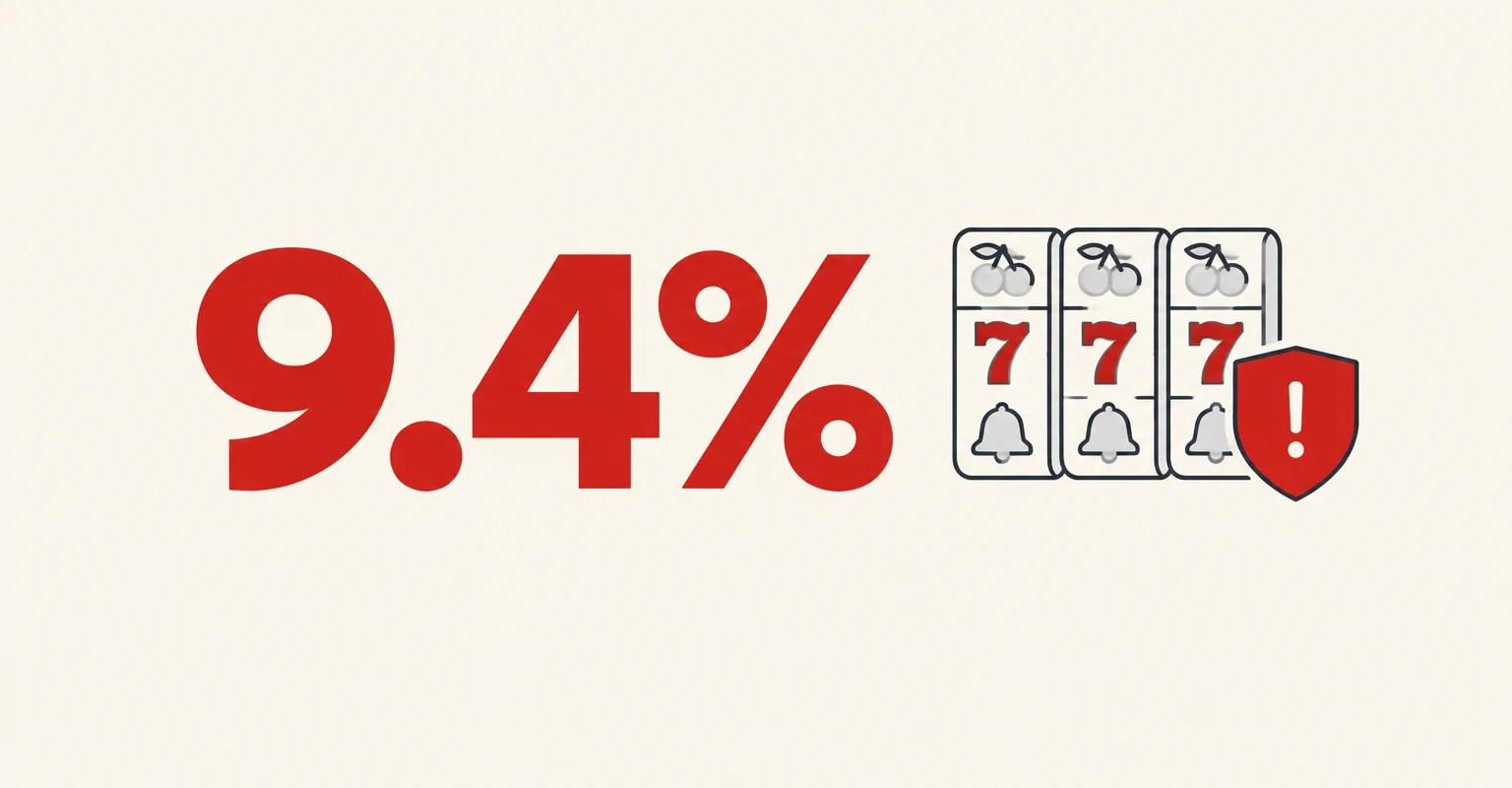
A UNLV study of slot vlogs on YouTube found that responsible-gambling language was uncommon, appearing in 9.4% of the videos, but those clips were associated with stronger like-to-view and comment-to-view ratios. The comment sections were mostly neutral or positive, and the analysis found signs of community building, including viewers praising creators, recommending future videos and describing themselves as regular followers.
The work, titled “An In-Depth Analysis of Slot Machine Vlogs on YouTube”, was presented at the 19th International Conference on Gambling & Risk Taking. According to the UNLV repository abstract, Tiange (Patrick) Xu analysed 170 English-language slot vlogs and 43,837 viewer comments using topic modelling, sentiment analysis and statistical modelling.
Betting strategy and game mechanics dominated the creator narratives. Topic modelling identified four themes in all, with betting strategy appearing in 41% of videos, slot game features and mechanics in 39%, and real-time gambling reactions in 14%.
The study suggested that slot vlog creators often functioned as guides, explaining how machines operate, discussing bet sizes, highlighting bonus features and talking viewers through decisions during play. Some channels focused more on personality, humour or documenting the casino experience.
Responsible-gambling messaging was sparse. Explicit reminders about gambling responsibly appeared in less than 2% of videos, although some clips made indirect references such as staying within budgets or treating gambling as entertainment. Xu told Covers that the common assumption was that such reminders would feel like an interruption, but his data showed the opposite association, with responsible-gambling videos tending to have higher likes and comment ratios.
He also cautioned that the result was correlational, so it did not show the messaging caused the stronger engagement. The broader report said the finding did not support the assumption that responsible-gambling content is bad for performance, and it pointed to a shift in gambling content toward independent creators, who can feel more relatable than traditional marketing while raising questions about transparency and safer-gambling messaging.