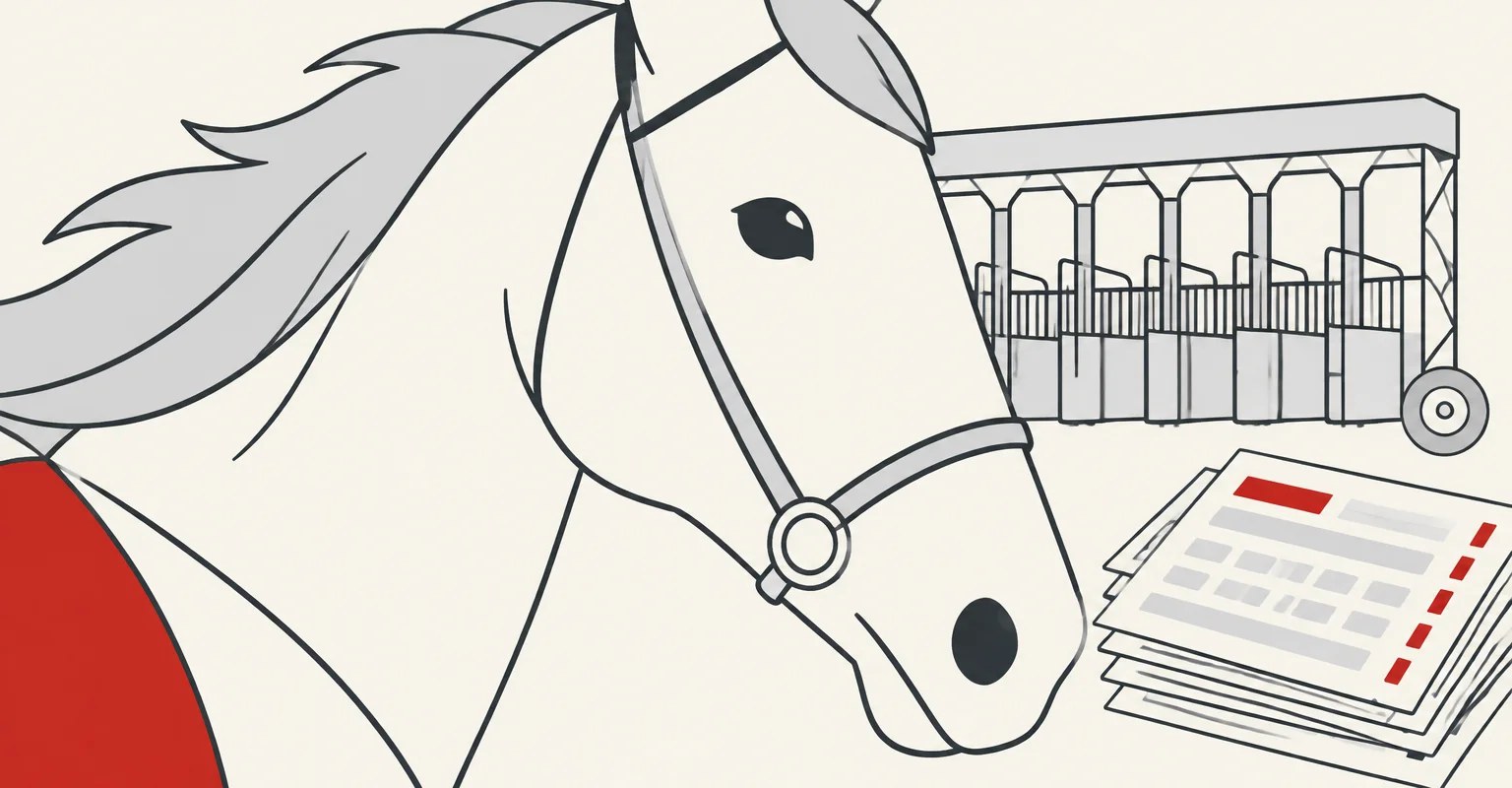
The United States has sanctioned Club La Molienda, a horse-racing venue on the outskirts of Nuevo Laredo, Mexico, as part of what the Treasury Department called its largest effort to disrupt the financial infrastructure of Cartel del Noreste.
The Oct. 13 action targeted four people and 11 entities linked to the cartel, known as CDN. Club La Molienda, also called La Molienda Race Track and Restaurant Bar La Molienda, was designated for allegedly being owned, controlled or directed by CDN, or acting for it.
Treasury said the track earns money for the cartel through fees charged to horse racers and spectators. CDN leaders and members buy horses, including animals from the United States, to race there. While Miguel Angel “Z-40” Trevino Morales is held in the United States, the venue is overseen by other CDN leaders and associates, Treasury said.
The action identifies a direct former gambling link between the racetrack and Casino Centenario, a Nuevo Laredo casino. Before Mexican authorities suspended Casino Centenario’s operations in April, the two businesses had a strategic partnership that let customers wager on La Molienda races from the casino’s premises.
OFAC sanctioned Casino Centenario on April 14 alongside three related entities and three associates in a coordinated U.S.-Mexico action. Mexico’s financial-intelligence unit and Interior Ministry acted against CDN-linked entities the same day. Treasury had alleged that the casino was used to store fentanyl pills and cocaine, launder proceeds through gaming operations, and torture and intimidate alleged cartel enemies in backrooms.
The latest designations also included Gamaliel Garza Garcia, a businessman and horse-racing enthusiast whose horses compete at La Molienda as well as tracks in California and New Mexico. Treasury alleged that his construction company, CEGESA, funneled money to campaigns supporting CDN-preferred candidates, obtained government contracts corruptly and subcontracted work to cartel-affiliated people. Garza Garcia’s son, Gamaliel Garza Elias, was said to have handled daily operations and delivered campaign cash.
Pablo Cesar Guajardo Alvarez, a Nuevo Laredo CDN plaza boss known as “Takia” or “El Takia,” was also designated. Tamex Leasing, or Tamex Logistics, a trucking company in the city, was named in the action; Treasury said it had been involved in smuggling narcotics into the United States, including two cocaine shipments totaling 52 kilograms that were concealed in trailer brake drums.
Treasury framed the racetrack action as part of a longer record of cartel involvement in horse racing. Between 2008 and 2012, the Trevino brothers used drug proceeds to buy, sell, train and race American Quarter Horses in the United States. Over 30 months, Zetas-affiliated front people and shell companies spent $16 million on racing operations in four states and laundered more than $22 million, according to the department. The U.S. government seized 455 horses from an Oklahoma farm, racing venues and training facilities in June 2012.
CDN evolved from Los Zetas and was founded by the Trevino brothers. Both were transferred from Mexico to the United States in February 2025 and face drug-trafficking, racketeering, firearms and money-laundering charges in federal court in Washington, D.C.
The sanctions block property and property interests of designated people and companies that are in the United States or controlled by U.S. persons. They also generally bar U.S. persons from transactions involving them unless an authorization or exemption applies. Treasury said the Oct. 13 measure was its fourth and largest action against CDN networks during the Trump administration; since the start of 2025, OFAC has taken nearly 40 actions against more than 500 people and entities.