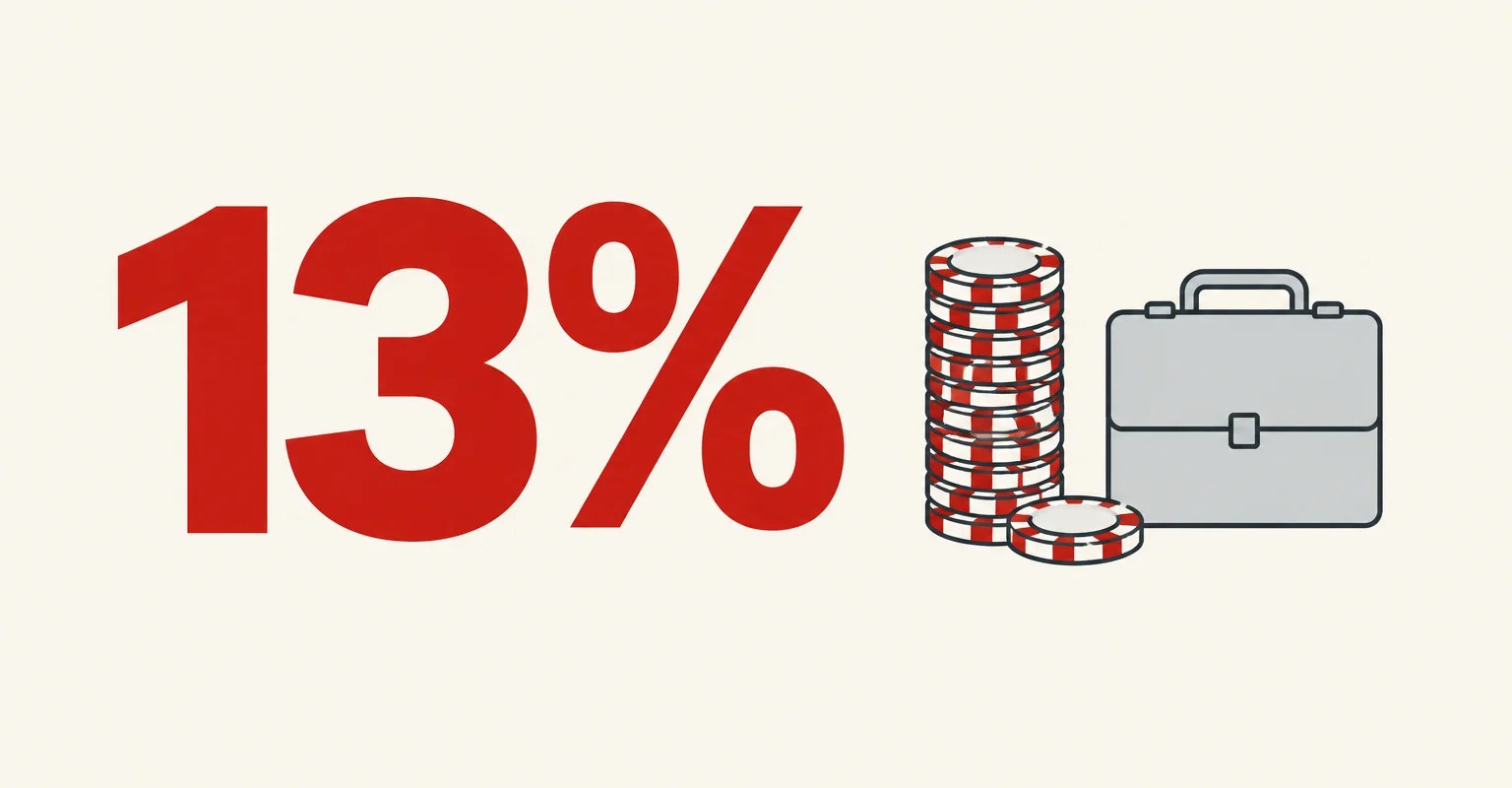
Illinois lawyers aged 25 to 35 showed a 13% rate of positive screens for problem-gambling behaviours in a new statewide survey. The Illinois Lawyers’ Assistance Program released the findings Tuesday in “The Weight of Practice,” a broad examination of mental health, substance use, stress, gambling and cognitive decline among lawyers and judges.
The programme surveyed all 56,268 lawyers registered in Illinois and received 6,778 usable responses, roughly 12% of the profession. Casino.org’s account of the survey said about 6% met the criteria for a gambling disorder, while the ABA Journal reported that 3% of respondents said they engaged in problem gambling.
The frequency and effects reported by respondents classified as problem gamblers were substantial. Some 53% said they gambled at least weekly and 12% said they did so daily. Thirty percent said gambling had harmed their personal lives, citing financial strain, mood swings and deteriorating mental health, while about 16% said it had hurt their job performance.
LAP said younger attorneys also faced disproportionately high rates of drug use, mental-health difficulties and workplace burnout. Its executive director, Dr. Diana Uchiyama, called the results a wake-up call for the profession, saying younger lawyers were struggling most and that firms and agencies could no longer dismiss the impact of prevailing standards and norms.
The report’s authors described the Illinois research as the first examination of gambling prevalence in the U.S. legal profession. A government lawyer quoted in the study said problem gambling was poorly understood, that people might not recognise warning signs in themselves, and that sports betting had become pervasive.
Seeking help remains difficult for many lawyers because of fear of professional repercussions, the survey found. Illinois Supreme Court Justice Mary O’Brien said people do not come forward when they believe disclosure could be used against them or when the subject feels too taboo to discuss.
The findings add gambling to a wider record of mental-health and substance-use concerns in the profession. An ABA Commission on Lawyer Assistance Programs study released in September found that nearly 22% of lawyers reported moderate to severe symptoms of depression. A 2015 study of 12,825 employed attorneys found 20.6% screened positive for hazardous, harmful or potentially alcohol-dependent drinking, with younger lawyers and those earlier in their careers showing higher rates; depression, anxiety and stress symptoms also declined with age and years in practice.
As we covered in August, Illinois had already added gambling disorder to its Substance Use Disorder Act, formally extending the law’s treatment and prevention framework to the condition.