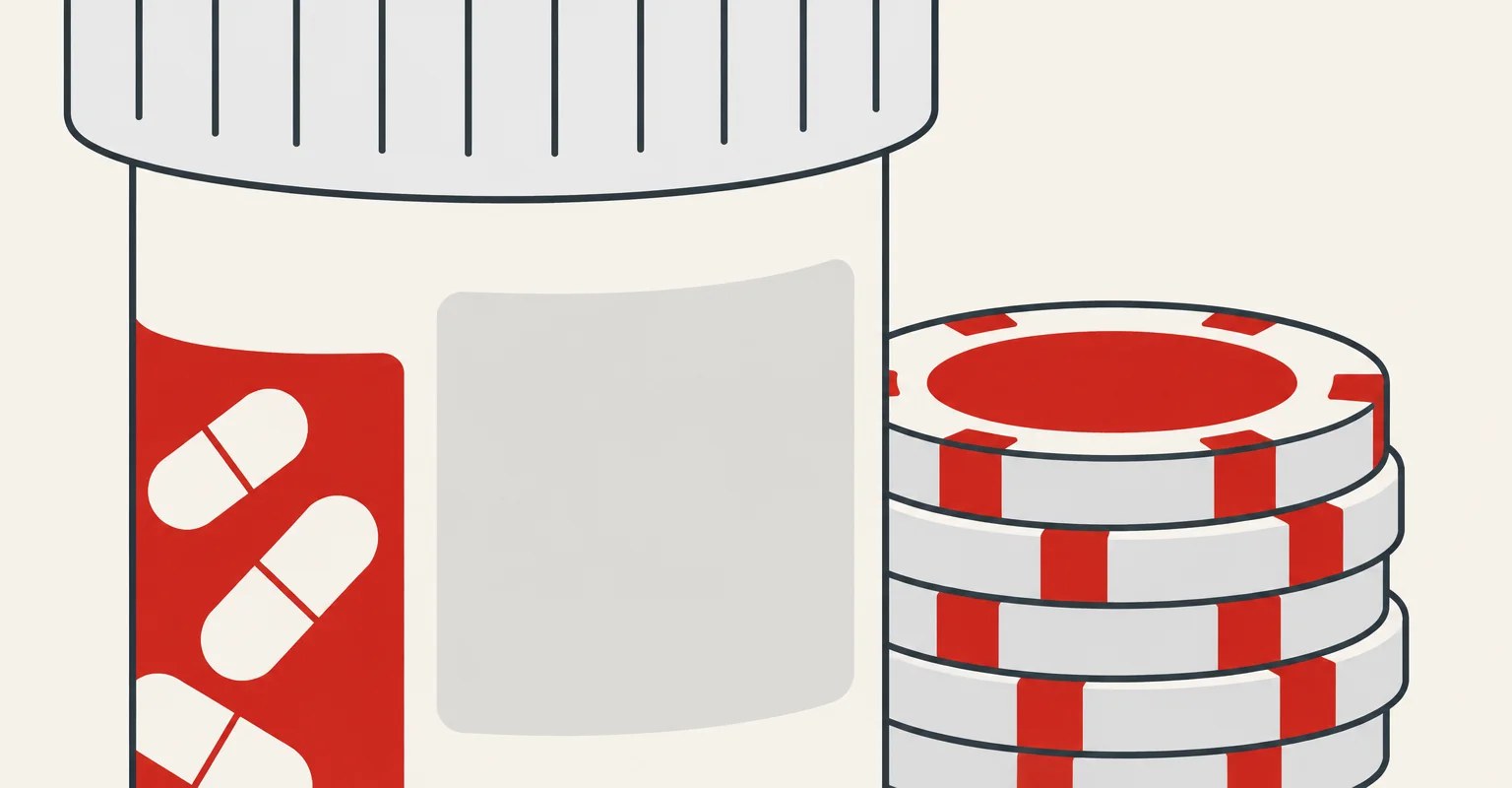
The University of Washington’s Addictions, Drug & Alcohol Institute has launched a study examining how GLP-1 medications may affect betting behavior among people who gamble. The GAME Study, short for GLP-1s: Assessment of Gambling Motivations & Engagement, is recruiting people taking medicines including Ozempic and Wegovy.
The research will ask participants about gambling urges, thoughts and behavior before and after they began taking a GLP-1 drug. Its stated aim is to better understand how the medicines affect betting behavior.
Applicants first complete an online eligibility screener. Those selected meet a member of the study team by Zoom, where they show identification and a prescription or medication label on camera, before being invited to complete a 30-minute online survey. Participants who finish the survey receive a $50 gift card for a store of their choice.
Casino.org reported that qualified participants will have experienced gambling-related harm either currently or before beginning a GLP-1 medication. Ty Lostutter said researchers hoped to learn whether participants had noticed changes in their gambling urges or behavior, adding: “We still have much to learn about their relationship to gambling.”
Some survey respondents may be invited to a longer interview. The project is funded by an Addictions, Drug & Alcohol Institute Small Grant, and participation is voluntary, with participants able to leave at any time without penalty.
The university says identifying information is stored separately from study data and is available only to specified study staff and people from the university or other agencies that may audit records. Names will not be used in published results.
The study arrives amid wider interest in whether GLP-1 drugs influence compulsive or addictive behaviors. Stanford Medicine has said early studies suggest potential effects in opioid, alcohol and nicotine addiction, but that longer-term evidence is needed; the Food and Drug Administration has not approved GLP-1 agonists as addiction treatments.
As covered in October, the University of Pennsylvania is also preparing a study of GLP-1 medicines and financial decision-making, including responses to gambling cues. The Washington project is focused instead on the reported experiences of gamblers already taking the medications.