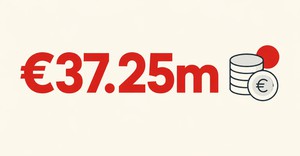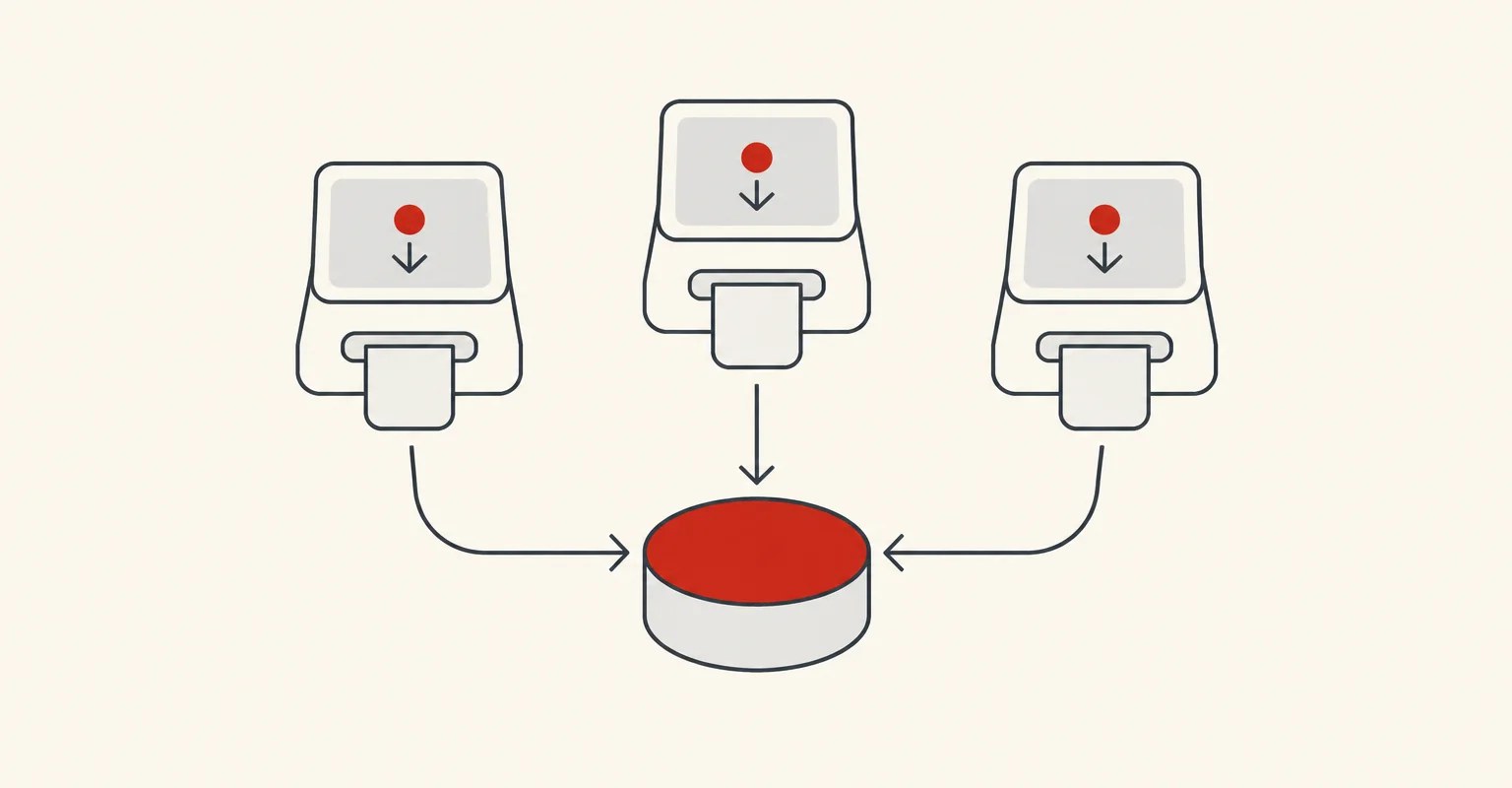
Spain has introduced a central system that will combine a player’s deposits across every licensed online gambling operator, closing the gap under which limits applied separately at each site. The default joint ceilings are €700 a day, €1,750 a week and €3,300 over four weeks; once a player reaches a threshold, further deposits across their accounts must be refused.
The system is now being tested and becomes binding on March 26, 2027. It operates alongside, rather than replaces, the existing limits maintained by individual operators. Licensees have five months to connect to the regulator’s central checking system before the new caps take effect.
The cross-operator controls stem from Royal Decree 520/2026, issued June 24, which added Article 36 bis to Royal Decree 1614/2011. Article 36 had established limits on deposits received by each operator from each participant, meaning a player’s possible total deposits varied with the number of accounts they held. The regulatory framework says about one-third of active online gamblers use more than one operator.
Players can lower their joint ceiling immediately. A request to raise or remove it takes effect after three working days, includes reinforced information on gambling risks and cannot be followed by another increase request for three months.
The DGOJ will run real-time compliance checks centrally. Operators must consult the system before accepting deposits, while the authority is the only actor with access to the information needed to manage and supervise the joint limits. The ministry has presented that design as a way to avoid unnecessary exchanges of player information between gambling companies.
The Player Portal has also gone live. It is free, accessed through Spain’s Cl@ve digital identity system and available even to people without a gambling account. Users can see deposits, stakes, winnings, losses and historical activity across licensed operators, review accounts linked to their identity, set customised alerts and download full-year activity certificates.
The account-identification feature is intended to help users spot possible identity theft or impersonation. The portal also offers joint-limit management and forms part, with a player self-assessment tool, of the DGOJ’s Safe Gambling Programme 2026-2030.
The framework identifies a concentration of harm that policymakers are seeking to address: about 80% of accumulated gambling losses are attributed to 10% of participants. A separate proposed monthly risk test would require state-licensed operators to assess the preceding 183 days of account activity during the first seven days of each month.
The industry body Jdigital has challenged the measure, saying it affects a very reduced market segment and could steer players to unlicensed sites. It announced a Supreme Court appeal against Royal Decree 520/2026 on Oct. 1, describing the decree as disproportionate. DGOJ Director General Mikel Arana has said he was surprised that operators had not yet connected effectively and generally to the system.
Spain’s new controls follow this month’s separate rule requiring online-gambling payment accounts to match the identity of the registered player, as previously reported.