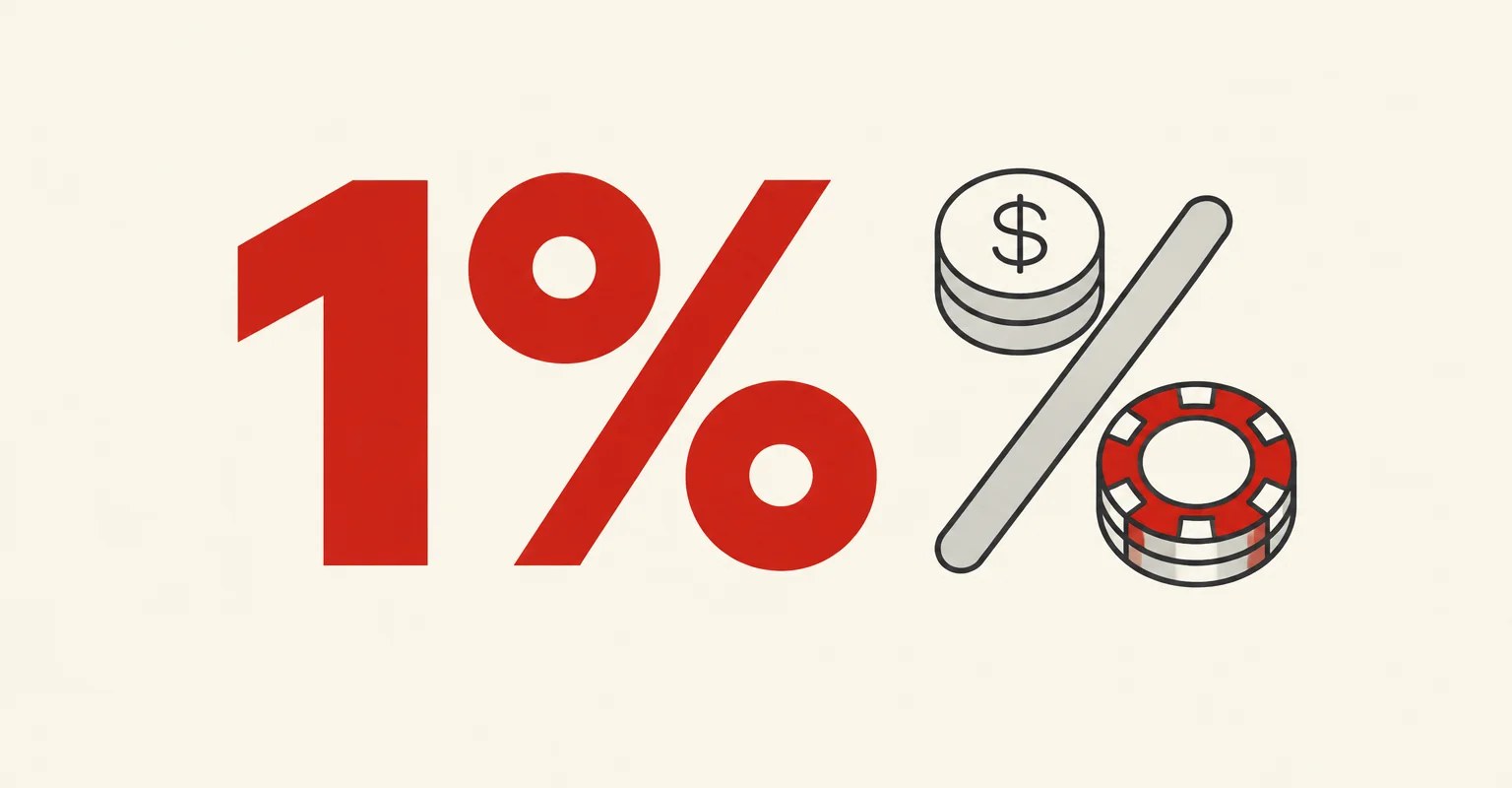
Ireland has notified the European Commission of draft regulations imposing a 1% annual levy on most gambling licensees to finance its Social Impact Fund. Subject to the EU review, the rules are due to take effect on April 1, 2027, with the first annual payments due by July 1.
The Gambling Regulatory Authority of Ireland said on Nov. 13 that the draft Gambling Regulation Act 2024 (Social Impact Fund) Regulations 2026 had been notified through the EU Technical Regulation Information System. The European Commission received notification 2026/0645/IE on Nov. 12 from the Department of Justice, Home Affairs and Migration.
Commercial licensees would pay 1% of turnover from the financial year preceding the relevant contribution year. For most operators, that means gambling income after winnings are paid, rather than the total value of stakes. A sportsbook or online casino would therefore pay €1 for every €100 it retains after winnings, while bonuses and operating costs would not reduce the levy base.
The Act applies distinct turnover definitions to other parts of the industry. Business-to-business licensees would be assessed on gross profit, while remote betting intermediaries, including exchanges, would be assessed on charges paid for betting facilities. Charitable and philanthropic licensees would be exempt.
The GRAI would issue contribution notices specifying the payment account, and the Act allows it to recover unpaid sums as a simple contract debt. The notified draft does not explain how a first payment would be calculated where a licensee held a licence for only part of the preceding year.
The fund is intended to support research, education and treatment connected with gambling-related harm. However, section 52 of the Gambling Regulation Act also permits the minister to release fund money for the regulator’s running costs, without the draft specifying how much could be used for that purpose. The notification recorded no impact assessment, and the sources reviewed contained no public estimate of annual levy proceeds.
The department described the 1% rate in its EU filing as “equitable, proportionate and sustainable”, saying it had broad support from industry stakeholders and would allow the GRAI to operate the fund in 2027. Justice Minister Jim O’Callaghan had said in October that his department was still preparing the regulations with the Office of the Attorney General.
The levy implements a funding mechanism created by the Gambling Regulation Act 2024, which established the GRAI and required annual licensee contributions to the Social Impact Fund. Ireland’s proposal resembles Great Britain’s statutory levy, introduced in April 2025, in requiring licensed gambling businesses to fund harm research, prevention and treatment. Britain uses different rates by gambling activity, while Ireland proposes a single 1% rate for commercial operators.
Interested parties may comment during the European Commission’s review period, which runs until Feb. 15, 2027.