Nigeria’s Imo State Lotteries and Gaming Authority and Gamble Alert will hold a two-day responsible-gaming training programme for industry participants from the South-East and South-South on Oct. 14 and 15.
The South-East & South-South Responsible Gaming Capacity Building Programme will take place at Imo Digital City Limited in Owerri. It is aimed at regulators, operators, gaming agents, affiliates and other professionals who deal directly with players.
The programme will cover responsible gaming, player protection, regulatory responsibilities and the identification and management of gambling-related risks. Organisers intend to give participants practical tools to recognise potential risks and respond appropriately in everyday consumer interactions, while providing a forum for discussion and knowledge-sharing among the two regions’ stakeholders.
Particular emphasis will fall on retail gaming agents, according to The Nation, because they have frequent and direct contact with players. Gamble Alert said agents’ conduct can influence how gaming products are accessed, marketed and experienced by consumers.
The organisation argues that player protection cannot rest solely on messages urging individuals to gamble responsibly. It wants responsible-gaming practices embedded across the gaming value chain, rather than treated only as an awareness exercise or a compliance obligation.
The initiative is designed to build capacity beyond the two-day event, with stakeholders encouraged to apply the approaches within their organisations and communities. The organisers describe effective player protection as a shared responsibility among regulators, operators and customer-facing personnel.
The training comes against a wider Nigerian backdrop of gambling-related harm. An academic overview of the sector found that legal and illegal gambling were popular, while expanding online opportunities and inadequate regulation and enforcement had contributed to harm. It cited estimates placing the rate of problem gambling in Nigeria at 1% to 8%, with a further 10% to 15% at risk of gambling-related problems.
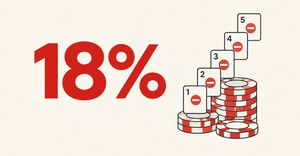
That research argued that addressing harm required engagement by government, the industry, policymakers and academic experts. It also noted that Nigeria’s legal gambling age is 18, while recommending stronger enforcement of underage restrictions and wider responsible-gambling promotion.